Tools for a Changing World
SPPC Annual Conference
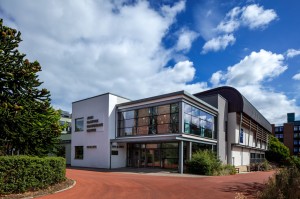 John McIntyre Conference Centre, Edinburgh
28 October 2026
Changing demographics, financial pressures, widening inequalities and evolving social structures are making for “interesting” times. This year’s SPPC conference aims to bring ideas and approaches to help you survive in an increasingly challenging and sometimes tough working environment.
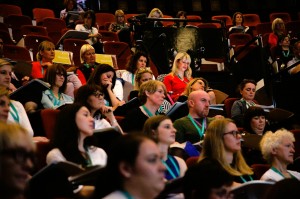 We always try to make our conference relevant to your realities. For the last two years 100% of delegates told us that the conference was relevant to their work. The SPPC Team is looking forward to welcoming you to an informative and energizing day.
The conference will feature:
-
A strong line-up of local and international speakers (more detail below)
-
Time and space to catch-up with colleagues and make useful new connections
-
Posters and rapid-fire presentations sharing innovation from across Scotland and beyond
Book Now! Book your place here. Early bird rate ends on 18th September.
Approved for 5 category 1 (external) CPD credits
Programme
View the full conference programme here or read on for more details.
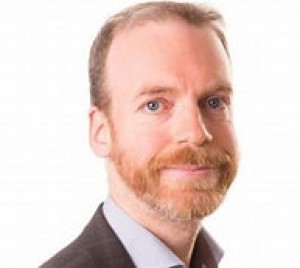 Technologies in palliative care for older people
Mark Taubert, Professor at Cardiff University School of Medicine; Hospital Consultant & Clinical Director at Velindre University NHS Trust.
Although there is a continued plethora of new digital health technologies (e.g. wearables, sensors, monitoring. physical aides, communication aides) there is often little focus on how these tools can be used to respond escalating, complex physical and psychosocial needs that accompany worsening health and palliative care?. Using semi-fictionalised case studies Mark will explore the opportunities and the challenges of using digital health innovations by and for older people as their palliative care needs increase.
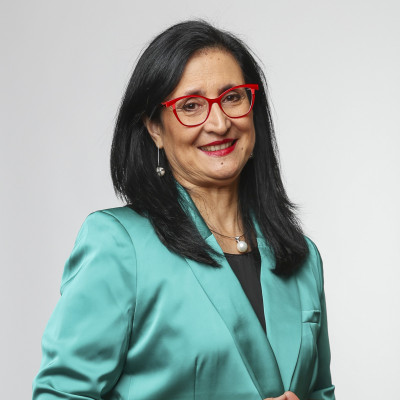 Learning from a Compassionate Connectors programme: social needs, community assets and economic impact
Samar Aoun AM, Perron Institute Research Chair in Palliative Care, University of Western Australia; Chair, Compassionate Communities Australia
In this session Samar will bring relevant learning from work in Australia where volunteer community members work in collaboration with formal services to address social needs and improve quality of life. It is probably the most robustly evaluated example of a “compassionate community” initiative and has an important story to tell.
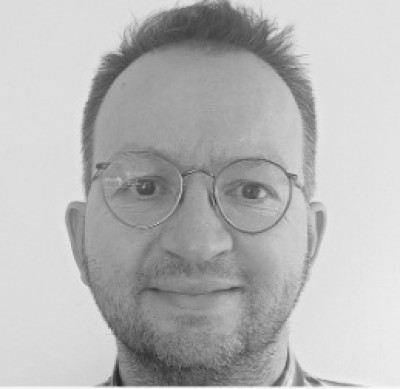 Understanding the economic evidence on palliative care: what do we know, where should we go next?
Peter May, PhD, Academic Health Economist at the Cicely Saunders Institute, King’s College London, UK, and Adjunct Associate Professor in Health Economics at the School of Medicine, Trinity College Dublin Ireland.
In a time of financial pressures it is ever more important to be able to understand and demonstrate the economic impact of palliative care. In this session Peter will explore challenges of proving impact, survey the latest available evidence, and consider what can be done next to strengthen the case.
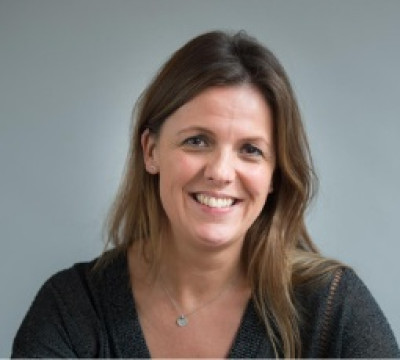 A general practice and district nursing perspective on inequalities and palliative care
Carey Lunan, GP, Chair of the Deep End Project in Scotland
Kaye Nicoll, Lead DN, NHS Lothian
Carey will start with an overview of health inequalities, current policy, and introduce the Deep End Project. Carey and Kaye will then be in conversation, sharing experience and learning from their years of providing palliative care in some of the most socio-economically deprived communities in Scotland.
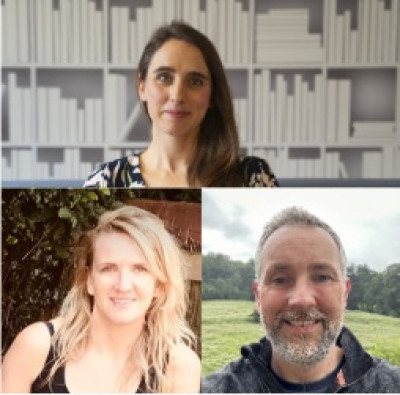 Similar but different? Exploring the paradigms, practices, and opportunities for palliative care and geriatrics
Erica Borgstrom, Professor of Medical Anthropology at The Open University; Deans Buchanan Consultant in Palliative Medicine, NHS Tayside; Lynsey Fielden Consultant in Ageing and Health & Movement Disorders, NHS Forth Valley
This session will bring together Deans and Lynsey in a dialogue facilitated by Erica who will bring social science insights and an anthropologist’s curiosity. The literature suggests palliative care and geriatrics are very similar and recommends collaborative, integrated services and interprofessional relationships. But how can we better understand their similarities and potential differences, and what might this mean for practice?
Parallel Sessions
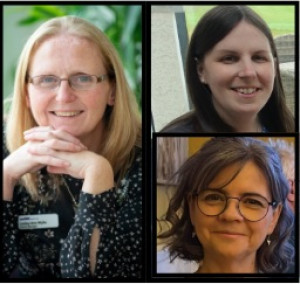 Session A: “You matter because you are you”: a practical approach to enhancing quality of life in advanced dementia
Jenni Burton, University of Glasgow; Lorna Reid, Prince & Princess of Wales Hospice; Lesley Wylie, Care Home Manager
This session will start with Jenni exploring what is known about advanced dementia in Scotland. Then the focus will be on Namaste Care – an approach which improves quality of life of people with advanced dementia. Lorna will explain what Namaste Care involves, its impacts, and how it has been adapted and used in different settings. The session will conclude by hearing lessons learned whilst introducing the programme in practice locally.
Session B: When everything matters: rethinking palliative care for people living with multimorbidity
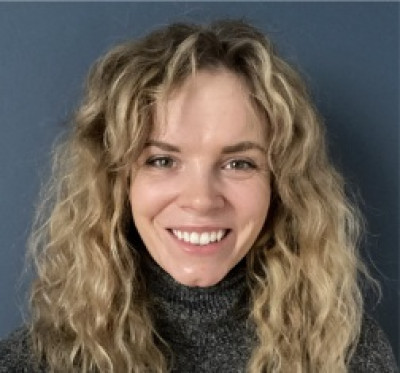 Sarah Bowers, NHS Forth Valley
People living with multiple long-term conditions often have complex healthcare needs in the last year of life, with frequent contact across different parts of the health service. But what does this experience look and feel like for patients and families – and where does palliative care fit?
Drawing on findings from her PhD research, Sarah will explore how people with multimorbidity use and experience healthcare in the last year of life. Through interactive discussion, we will explore what these findings mean for palliative care, asking questions including: Are we recognising people with multimorbidity early enough? What gets in the way of good palliative care? And what could we do differently? This will be a session for sharing experiences, challenging assumptions and thinking together about how palliative care can better respond to the realities of multimorbidity.
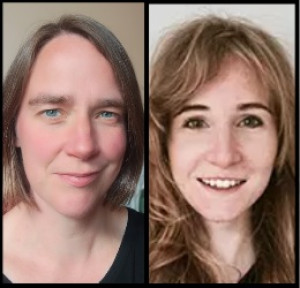 Session C: Death literacy: what is it and how it can be increased?
Astrid Verhue, End-of-Life Care Research Group and Compassionate Communities Centre of Expertise, Belgium
Rebecca Patterson, Scottish Partnership for Palliative Care
Death literacy is the knowledge and skills that enable people to understand, access, and make informed choices about end-of-life care and death-related matters. Supporting individuals and communities to increase their death literacy is a key aim of the SPPC, but what does that look like in practice? In this workshop we will explore what is meant by ‘death literacy’ and look at efforts to support more death literacy in Scotland, all with reference to the new Death Literacy Causal Model developed by researchers in Belgium.
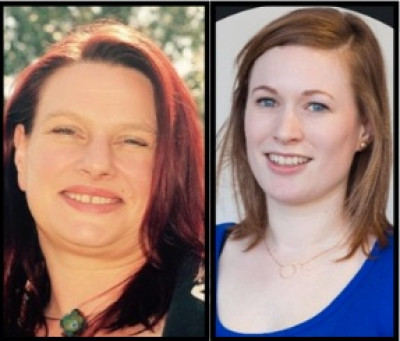 Session D: Helping palliative care voices be heard in system planning
Diana Hekerem, Associate Director of Transformational Change, Healthcare Improvement Scotland; Clare Hammond, Unit Head, Transformational Change / Systems, Healthcare Improvement Scotland
We know that palliative care makes a difference to people’s lives. We also know that effective palliative care can reduce demand for other services like visits to an emergency department and stays in hospital. But it can be hard to make the case for investing in palliative care in the current climate. This session will explore the conversations about palliative care within subnational planning, as well as the plans for prevention mapping, and the current work on creating a return on investment tool which can demonstrate the financial impacts of investment in a range of palliative care interventions.
Book your place
Book Now! Book your place here before 18th September to get the early bird rate.
View the full conference programme here
In this section
- Annual Conference 2026
- Call for Posters
- Poster Exhibition 2025
- Annual Conference 2024
- Poster Exhibition 2024
- Poster Exhibition 2022
- Everyday Compassion Conference
- Unleashing Compassion Conference
- Autumn Season 2020
- Annual Conference 2019
- Annual Conference 2018
- Poster Parade 2024
- Annual Conference 2023
- Annual Conference 2022
- Autumn Season 2021
- Cross Party Group
- Education providers in Scotland
- Education beyond Scotland